How Nutrition Can Help With PMDD
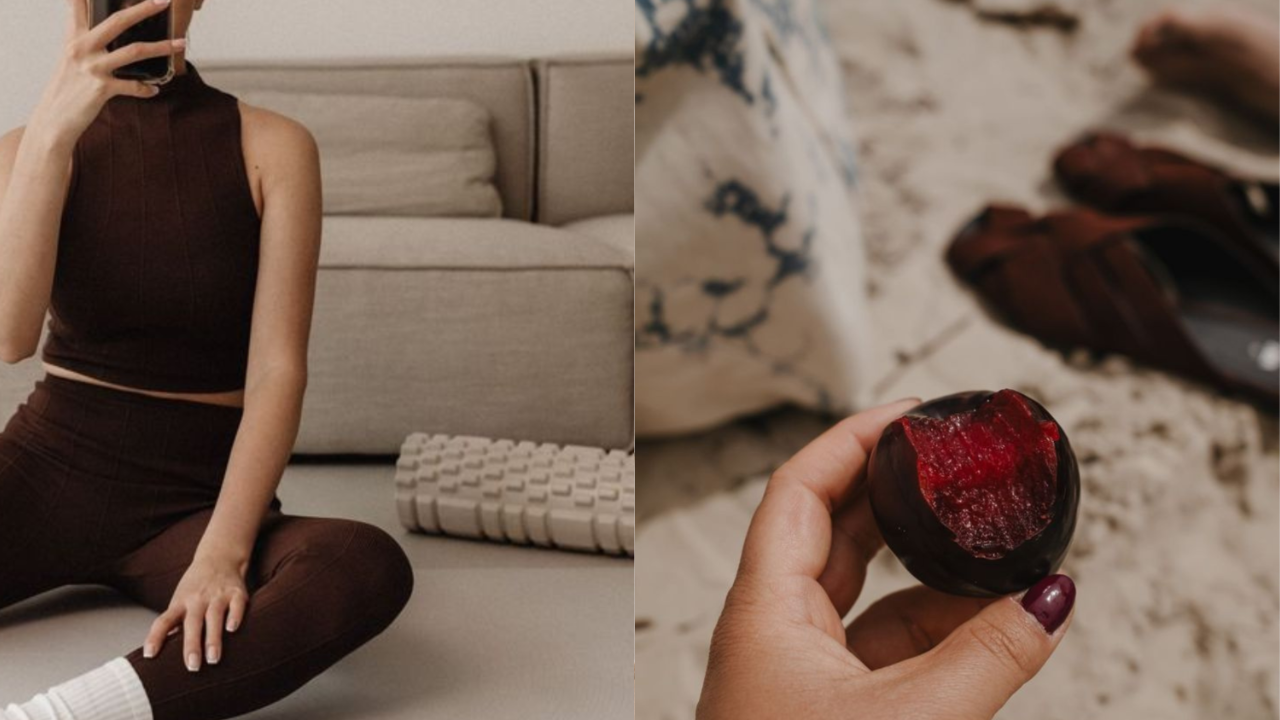
Food is not just fuel. For PMDD, it's closer to medicine. Not a cure, not a fix, but a real lever you can pull.
PMDD is tied to how your body responds to hormonal fluctuations, and what you eat feeds directly into that response, your energy, your mood, how hard the luteal phase hits. Get the nutrition piece right and you're not eliminating symptoms, you're taking some of the volume off them.
Key Nutrients to Focus On
Magnesium. The relaxation mineral, and it earns that name. It calms your nervous system and takes the edge off irritability and anxiety. Leafy greens, nuts, seeds. If you want the actual research behind magnesium, B6 and calcium for PMDD instead of just my word for it, I've laid it out here.
Calcium. Not just a bone mineral. It's linked to easing PMS and PMDD symptoms and supporting mood regulation. Dairy, fortified plant milks, leafy greens.
Vitamin B6. A genuine mood booster, and it can reduce irritability, low mood and fatigue. Bananas, chickpeas, salmon. Small swap, real impact.
Omega-3s. Anti-inflammatory, and that matters because PMDD isn't just mood, it's bloating and cramping too. Fatty fish, chia seeds, walnuts.
What Makes It Worse
Processed sugar. The high is short. The crash is not, and it drags your mood down with it.
Caffeine. It'll wake you up and it'll also wind your anxiety up. During luteal, that trade stops being worth it for a lot of women.
Alcohol. It's a depressant. During a PMDD episode, that's the last thing your mood needs, even if it feels like relief in the moment.
Balance, Not Overhaul
You don't need to rebuild your entire diet overnight. Small, sustainable changes move the needle. Add the nutrient-dense stuff in, ease the aggravating stuff out, gradually. For the specific foods to lean into and away from during luteal specifically, this breakdown is worth reading.
The Bonus Layer
Hydration and gentle movement do a lot of quiet work here too. Water and light activity, walking, yoga, support your body on top of what you're eating.
Pro tip. Plan meals around your cycle, not just around the week. Your luteal phase needs the most nutritional support, so that's where the planning pays off. Meal prep isn't glamorous, but it works.
Nutrition as an Ally, Not a Fix
Nutrition isn't going to make PMDD disappear. Nothing does. But paying attention to what you eat is one of the strongest, most controllable tools you have for taking some of the intensity out of the luteal phase. If you want a structured way to actually apply this, cycle by cycle, alongside the rest of your PMDD toolkit, that's exactly what's covered inside my self-paced PMDD courses.
Give your body the support it needs. One bite at a time.