Eating to Ease PMDD: How Nutrition Can Help You Reclaim Your Luteal Phase
If you've been living with PMDD, you already know the two weeks before your period can feel like a completely different world. The mood swings, the anxiety, the exhaustion, the irritability that rolls in like fog, relentless, and at times, genuinely isolating.
Here's something worth knowing: what you eat in your luteal phase (the second half of your cycle, ovulation to the start of your period) can meaningfully shift how you experience PMDD symptoms. Nutrition isn't a cure and it's not a replacement for medical support. It is one of the most accessible tools you've got.
Not sure whether what you're dealing with is PMDD or PMS? Read: PMDD vs PMS, what's the difference and how do you know which one you have.
Let's talk about how food becomes part of your toolkit.
Why the luteal phase is different
In luteal, your hormones shift dramatically. Progesterone rises, oestrogen fluctuates, and, crucially for those of us with PMDD, serotonin can drop significantly. Serotonin's a key mood-regulating neurotransmitter, and its dip in luteal is thought to be a central driver of PMDD symptoms.
Worth understanding: PMDD is not a hormonal imbalance, it's your brain's heightened sensitivity to normal hormonal fluctuations. That distinction matters, because it's why supportive strategies like nutrition can genuinely shift how you feel.
At the same time, your body becomes more insulin-sensitive, inflammation can rise, and magnesium levels often fall. Understanding these shifts is why certain foods can either calm the storm or fuel it.
Foods that support your luteal phase
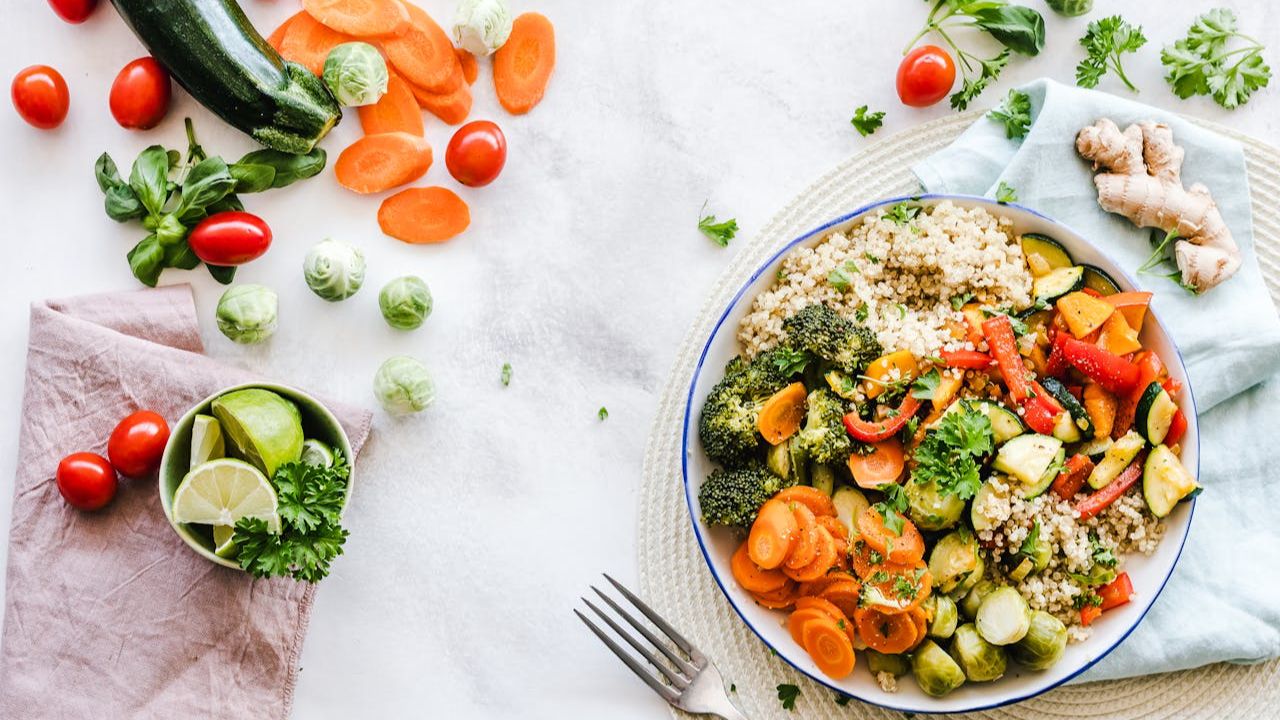
Complex carbohydrates, for serotonin support. One of the simplest things you can do for your mood in luteal is eat regular, balanced meals with complex carbs. Wholegrains, legumes, sweet potato, oats, they help your brain produce serotonin more effectively, exactly what you need when your levels are naturally dipping. Don't skip meals or go long stretches without eating, blood sugar crashes make irritability, brain fog, and anxiety worse. Wholegrain crackers with nut butter or hummus can genuinely change how you feel mid-afternoon.
Magnesium-rich foods. Magnesium's the unsung hero of PMDD. Research suggests a lot of women with PMDD run lower on magnesium, and eating more of it (or supplementing) may help reduce anxiety, mood swings, bloating, even breast tenderness. Load up on dark leafy greens, spinach, silverbeet, pumpkin seeds, almonds, dark chocolate (the real stuff, 70% cacao or higher), black beans, avocado. A handful of pumpkin seeds is a solid snack. A small square of quality dark chocolate is genuinely therapeutic.
Calcium, for mood and bloating. Studies have found women with PMS and PMDD often run lower on calcium, and increasing calcium-rich foods can reduce mood-related symptoms by up to 48%. Calcium plays a role in serotonin production and helps with fluid retention too. Think yoghurt, cheese, fortified plant milks, canned salmon with bones, tofu, chia seeds. A smoothie with yoghurt, chia seeds, and frozen berries is an easy way to get more in.
Omega-3s, for inflammation and mood. Omega-3s are well known for their anti-inflammatory effect, but they support brain health too and may help regulate PMDD's mood symptoms. Some research points to omega-3 supplementation reducing depression and irritability in PMDD. Oily fish, salmon, sardines, mackerel, are excellent sources. Plant-based? Flaxseeds, chia seeds, and walnuts give you a good dose of ALA omega-3s. Include these year-round, not just in luteal.
Limit caffeine, alcohol, and ultra-processed food. Harder to hear, still matters. Caffeine can worsen anxiety, disrupt sleep, and increase breast tenderness, all things already heightened in luteal. If you can't cut it entirely, try one coffee a day and herbal tea after midday. Alcohol interferes with serotonin and sleep quality, and ultra-processed food high in sugar and refined carbs causes blood sugar spikes and crashes that amplify emotional symptoms. If you've noticed your symptoms feel worse after a drink in luteal, you're not imagining it, read more about why you crave alcohol during PMDD and what's actually happening in your brain.
A gentle reminder
Changing your diet during an already hard part of your cycle takes energy and some patience with yourself. Start small. Pick one or two changes that feel manageable and build from there. Tracking your cycle alongside your food and symptoms can be genuinely revealing too, you'll start noticing patterns you can plan around.
PMDD is a real, recognised condition, and being told to "just eat better" was never going to be the whole answer. Nutrition is one piece of a much larger picture that can also include medical treatment, therapy, lifestyle adjustments, and real support. If you want to build that fuller picture properly, that's exactly what 1:1 sessions are for, or PMDD Group Therapy if you'd rather work through it with other women in the same boat.
Frequently asked questions
Can diet really help with PMDD symptoms? Yes. Diet alone won't eliminate PMDD, but research consistently shows certain nutritional strategies can meaningfully reduce symptom severity. Supporting serotonin production, reducing inflammation, and stabilising blood sugar are all evidence-informed approaches a lot of women find helpful alongside other treatment.
What's the best diet for PMDD? There's no single "PMDD diet," but the evidence points toward a whole-food approach rich in complex carbohydrates, magnesium, calcium, and omega-3s, while limiting caffeine, alcohol, and ultra-processed food, especially in luteal.
Should I take magnesium supplements for PMDD? Magnesium supplementation has shown promising results for anxiety, mood swings, and bloating. Always worth checking the right dose with your GP or healthcare provider before starting.
How long will it take to notice a difference from dietary changes? Most women notice a difference within one to three cycles of consistent changes. Tracking your symptoms alongside your food intake helps you spot what's working and build on it.
Is caffeine really that bad for PMDD? For a lot of women with PMDD, yes. It can heighten anxiety, disrupt sleep, and worsen breast tenderness, all symptoms already elevated in luteal. Even cutting back to one coffee a day and switching to herbal tea in the afternoon can make a noticeable difference.